
One Piece at a Time—How Puzzling and Other Hands-on Activities Positively Impact Mental Health
/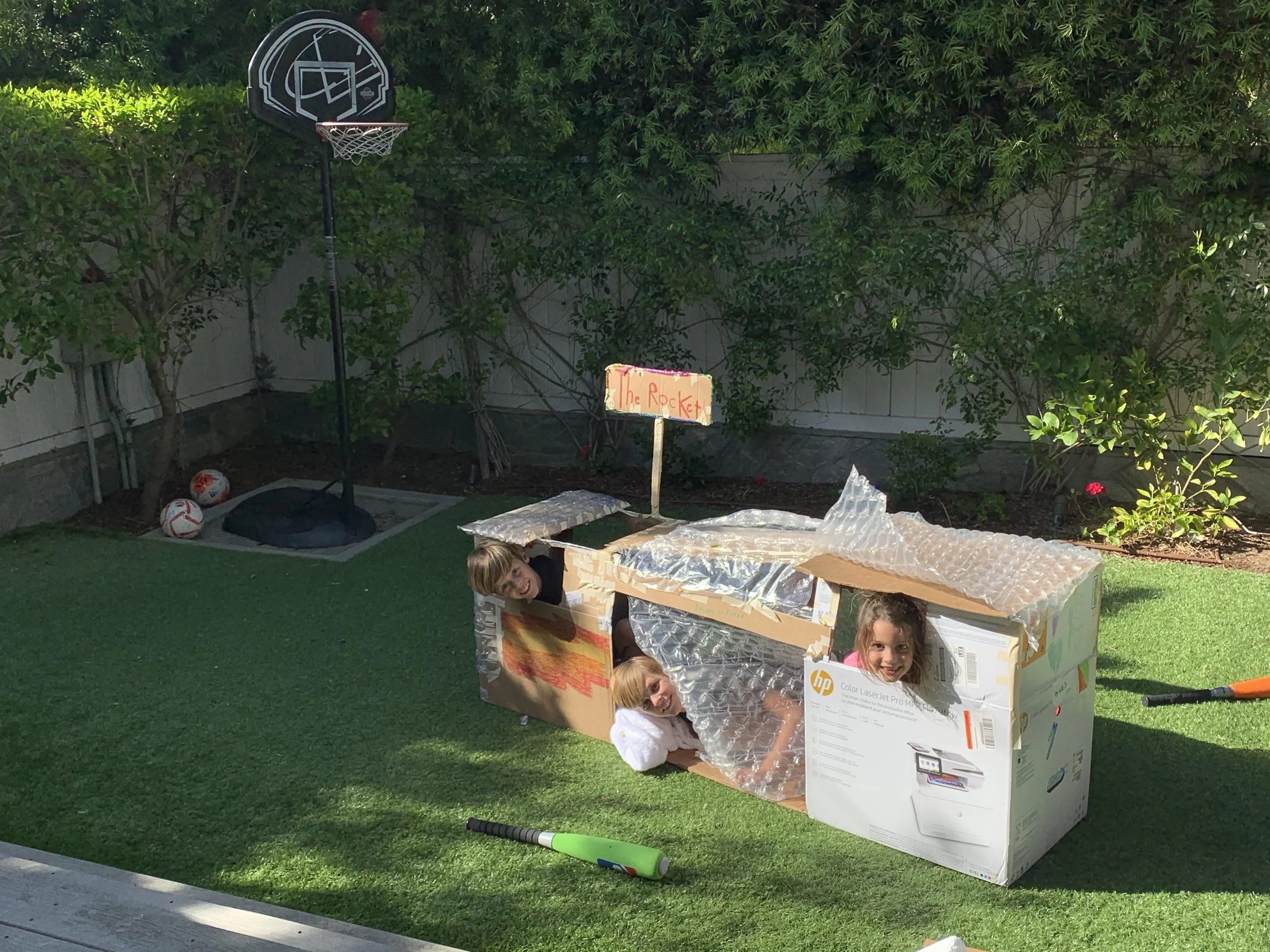
author Cary Geida and his siblings in their cardboard rocketship.
When I was younger, I didn’t have an iphone, an ipad, or a computer. At 16, I remember that time well: a time when I gleefully chased my twin brother around the Tree Section of Manhattan Beach, decked out in “armor” and swinging a “sword” in my right hand and a “hammer” in my left, all of which I had made from discarded Amazon boxes and paper towel rolls. I felt like a king looking upon my elaborate lego cities, and, one time, an enormous lego bathroom complete with tiny white cylindrical lego toilet paper. It was a time when myself, my twin, and our younger sister collaborated to build a 12-foot-long cardboard rocket ship that contained 3 chambers complete with separate mission controls, and when my family-room floor was covered in Christmas and Halloween-themed jigsaw puzzles despite the season.
The joy I found in my childhood activities was two fold. First, I loved being busy with my hands, with all five of my senses working in unison to create something tangible. My body slowed down and diverted its full attention to the project at hand. Second, I loved throwing myself into an alternate reality that I had created. All of it felt natural.
But as I grew into my teenage years, the tech crept into my life. My siblings and I no longer asked Dad to save cardboard; I didn’t have any crudely-shaped origami animals to display above the kitchen sink; legos were donated; and you could see our house’s hardwood floors.
I watched a lot of Youtube and played a ton of online games. As my screen time ticked upwards, so too did the seriousness of my school work and extracurriculars. Worries began exploding in my brain—about grades, baseball, and community commitments—and I had anxiety about my ever-growing calendar of obligations.
I turned even more to the shiny screen to carry me away and quiet the anxiety.
It was so easy—a calming device right in my pocket that responded instantaneously to my command and gave me an equally quick dopamine hit. It seemed an easy alternative to the hands-on projects of my past.
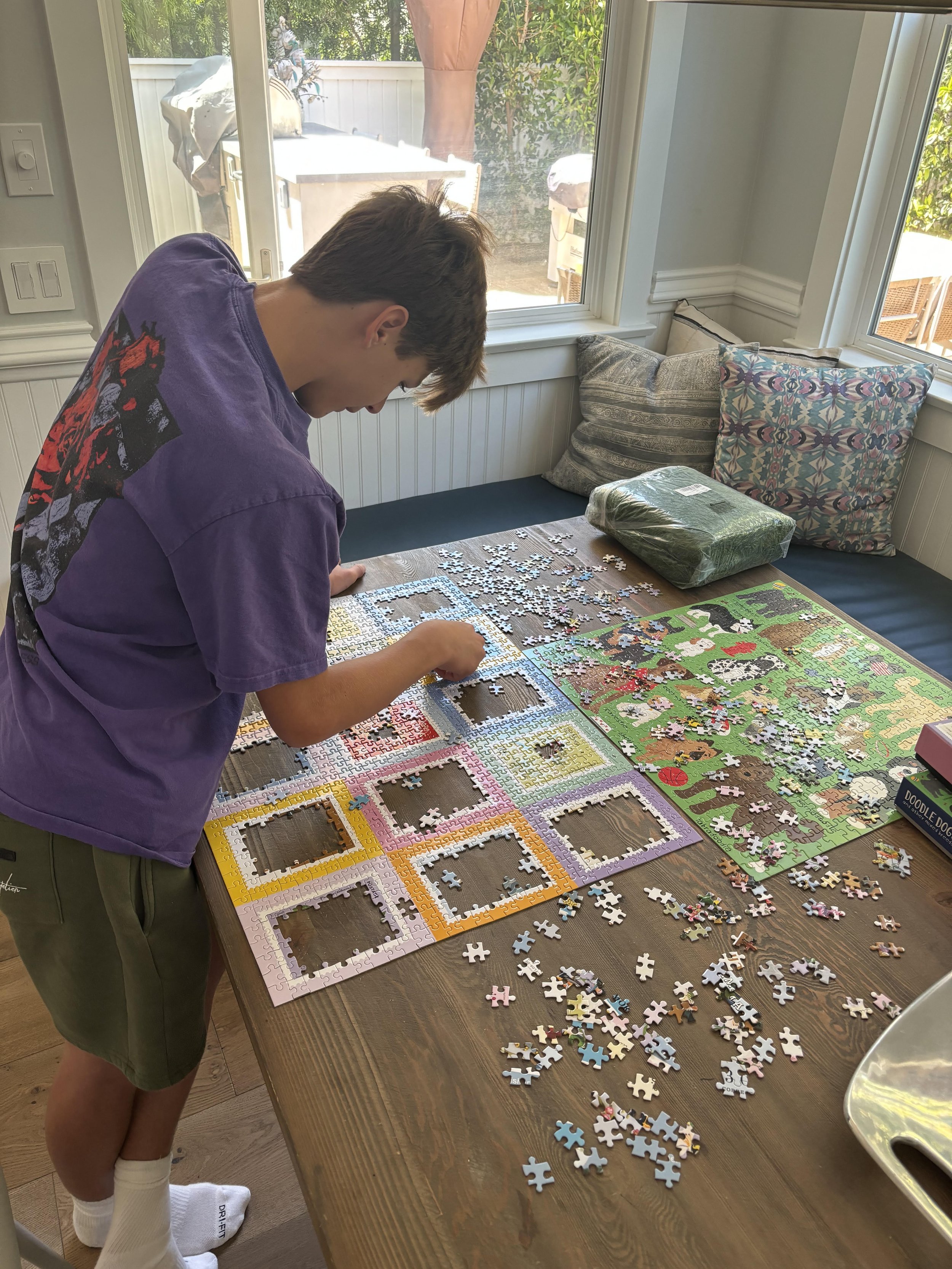
But the videos and games weren’t reducing any of my worries. Nor was the screen honing my creativity or engaging my senses. I couldn’t hear the tape stretch as I attached pieces of cardboard together, or feel the soft undersides of puzzle pieces. Instead, I was staring at a phone and my thumbs were the only part of my body being used. And the quick dopamine hits from Roblox weren’t consistently bettering my mood or making me any more focused.
I missed creating. I missed how I felt when I used my hands to make something. I missed feeling the wind rush around me as I raced through the streets, my brother’s and my battleground. I missed the feeling of being a part of and in control of my environment.
I realized this even more when working with underserved students through my foundation, the Mindful Mentorship Foundation (MMF), whose mission it is to promote creativity, mindfulness, and positive relationships for youth in underserved communities. Through my work with MMF, I have seen our mentees go from uninterested, or distractedly chattering to a friend, to laser focused when presented with a hands-on project such as creating a cardboard marble run or making a bouncy origami frog.
It was around the middle of my freshman year of high school that I realized I had to make a change for my mental health. I dumped the pieces of a 2000-piece puzzle on the kitchen table. My hands skittered across the pieces, and I felt a familiar world open back up. I became immersed as I tried to put the tiny shapes back into the picture of the Shanghai Tower.
I still puzzle. Not every day or even every week. But I purposefully go to a puzzle instead of a device when my brain is overwhelmed. To sum up my message, I think it's important for high school students (and stressed-out adults) to remind themselves of the joy in creating. Make a box for trinkets out of origami, pen a comic strip, paint a picture, take the cardboard out of the trash and make a cardboard creation—or teach a younger sibling or friend how to do so. Physically snap puzzle pieces into place. I promise you’ll feel more grounded than you do while doom scrolling, and you’ll manage your life more efficiently.
By Cary Geida
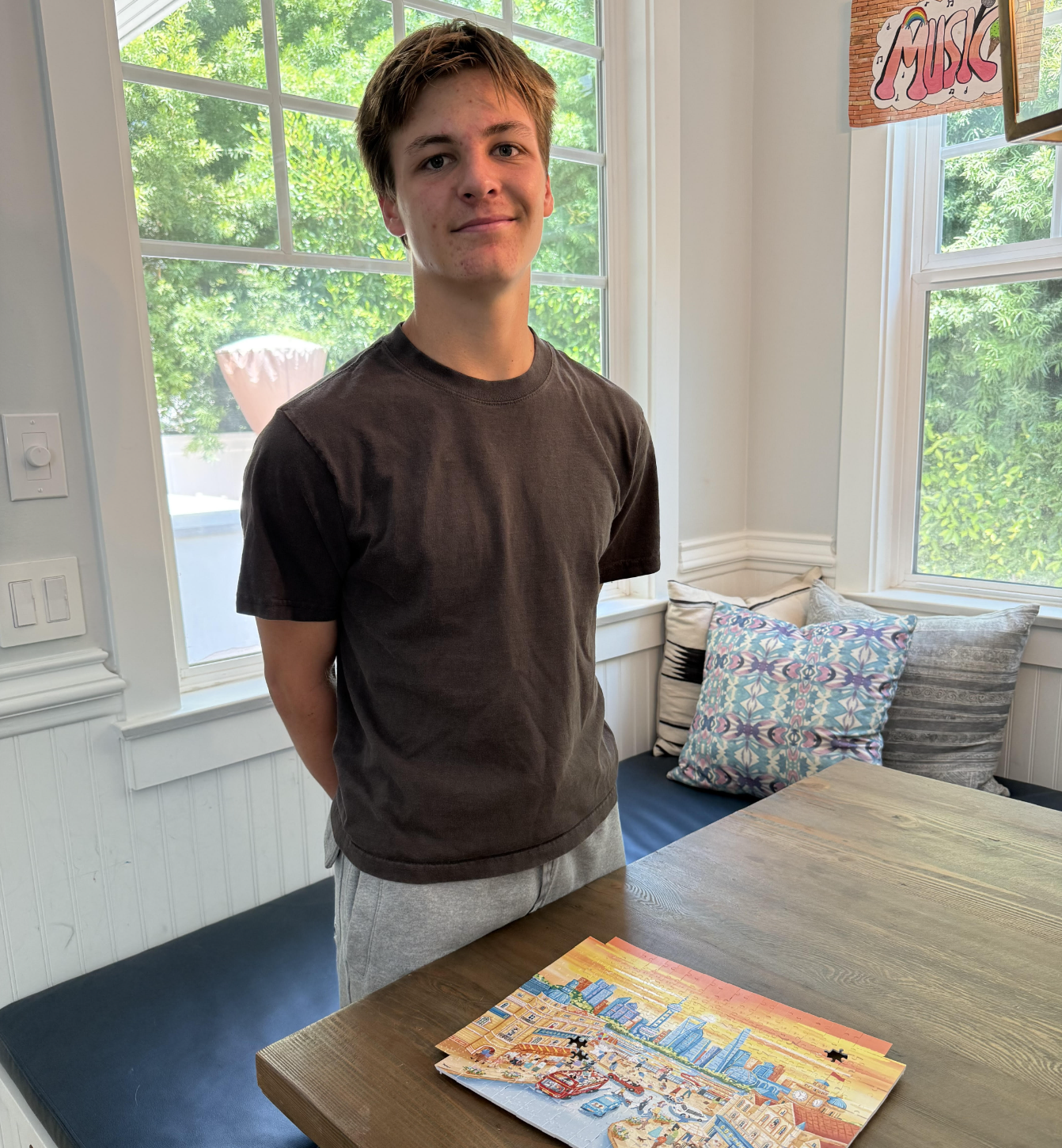
About the author: Cary is a 16-year-old rising junior at Mira Costa High School in Manhattan Beach, CA. A busy student, baseball player, and trained Volunteer Crisis Listener at Community Helpline, he also devotes much of his time to the Mindful Mentorship Foundation, a 501(c)(3) that he co-founded in January 2024 and that aims to promote creativity and mindfulness: https://www.mindfulmentorship.org and @mindful.mentorship.foundation.